Trying to understand nutrition advice today is like trying to read ancient scrolls. Food influencers are always talking about superfoods. I’ve seen nutrition advice go from simple food pyramid talks to something much more complex.
UC Cooperative Extension is a big help here. They’ve been teaching about food for over 35 years. Their work is backed by research, thanks to NIFA’s support.
These programs are not your grandma’s nutrition talks. They know that sometimes dinner is made from leftovers after a long day. They offer advice in many languages and in a way that fits different cultures.
This is the top level of food education, going beyond just eating veggies. For those looking for comprehensive child nutrition programs, the changes are huge.
Classes for All Ages
Remember when nutrition education was all about dusty textbooks and old food pyramid posters? We’ve moved on from those days to a nutritional renaissance.
Today, we have healthy eating education that’s like the Marvel Cinematic Universe. Each group gets lessons made just for them. Kids learn in fun ways, like making veggies compete with TikTok. Adults get lessons that help with meal planning, even after a long workweek.
EFNEP offers eight hands-on nutrition lessons for parents in many languages. They know “eat your vegetables” means different things in different languages. For kids, six lessons make nutrition cool, like making kale chips.
CalFresh Healthy Living takes this mission further to preschools and agencies. They know nutritional needs change fast, like Twitter trends:
- Preschoolers: Making food fun without turning everything into chicken nuggets
- Teens: Addressing nutrition without the eye-rolls and “whatever, mom” responses
- Adults: Practical strategies that work in real kitchens with real time constraints
- Seniors: Age-specific nutrition that doesn’t talk down to them
The beauty is in the multilingual approach. Nutritional wisdom shouldn’t get lost in translation, just like good recipes shouldn’t be ruined by bland seasoning.
These programs show that healthy eating education is not one-size-fits-all. It’s a custom-tailored suit of nutritional knowledge. And everyone deserves a perfect fit.
Cooking Workshops & Demonstrations
Remember those cooking demos where someone would steam broccoli while reading nutrition labels like a eulogy? Those days are over. Today’s cooking workshops have more energy than a caffeine-fueled food network competition.
I’ve seen instructors turn budget ingredients into culinary masterpieces. They share nutrition science like they’re hosting their own TED Talk. The magic happens in real kitchens with real limitations – not some fantasy chef’s paradise.
Practical Kitchen Magic
The Eat Smart, Live Strong program doesn’t just talk about healthy eating. It shows you how to actually do it with what you’ve got. We’re talking about turning basic ingredients into meals that won’t have you reaching for takeout menus.
These sessions understand that most of us cook in kitchens smaller than some people’s closets. The equipment? Let’s just say it’s seen better days. The reality check is refreshing.
HEAL Toolkit Revolution
The Healthy Eating and Active Living Toolkit takes community education to another level. It’s not about perfection – it’s about progress. The program meets people where they are, both financially and culinarily.
What makes these workshops work? They’re designed by people who actually cook in real homes. The instructors get that life happens between grocery trips and busy schedules.
| Workshop Type | Duration | Skill Level | Key Focus Areas |
|---|---|---|---|
| Quick & Healthy | 90 minutes | Beginner | Time-saving techniques, basic nutrition |
| Budget Gourmet | 2 hours | Intermediate | Cost-effective ingredients, flavor building |
| Family Favorites | 75 minutes | All levels | Kid-friendly options, meal stretching |
| Seasonal Specials | 2 hours | Intermediate | Farm-to-table, preservation methods |
The best cooking class I attended felt like watching a culinary magician reveal all their secrets. No fancy equipment, no obscure ingredients – just smart techniques that actually work in real life.
These workshops prove that good food doesn’t require a trust fund or a culinary degree. It requires someone showing you how it’s done without the foodie pretension. Now that’s what I call practical education.
Farmers Market Partnerships
Remember when farmers markets were like outdoor Whole Foods for the wealthy? That time is over. Now, market partnerships are changing how we get food through amazing collaborations. It’s like something out of the Avengers.
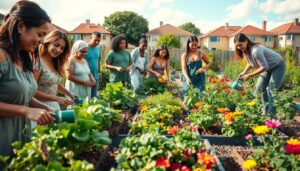
CalFresh benefits have turned into fresh produce at local markets. This has turned food deserts into lively community spots. Farmers, nutrition educators, and neighbors work together to make something sustainable.
From Transaction to Transformation
Markets are more than just places to shop. Programs like the Community Food Projects Competitive Grant Program make them learning spaces. Here, nutrition education happens naturally.
It’s not just about selling veggies. It’s about teaching people to make their kids like new foods. Seeing someone’s joy when they learn fresh strawberries are affordable is priceless.
These partnerships offer real benefits:
- Double-up food bucks programs that stretch SNAP benefits
- Cooking demos with seasonal, affordable ingredients
- Direct links between consumers and food makers
- Food recovery efforts that feed communities and cut waste
NIFA’s science-based approach makes these programs more than just good deeds. They’re practical, data-backed solutions. The shift from luxury to necessity in nutrition education is thrilling.
Farmers markets are now key in food justice. They show that healthy food should be for everyone, not just the wealthy.
Meal Planning Guides
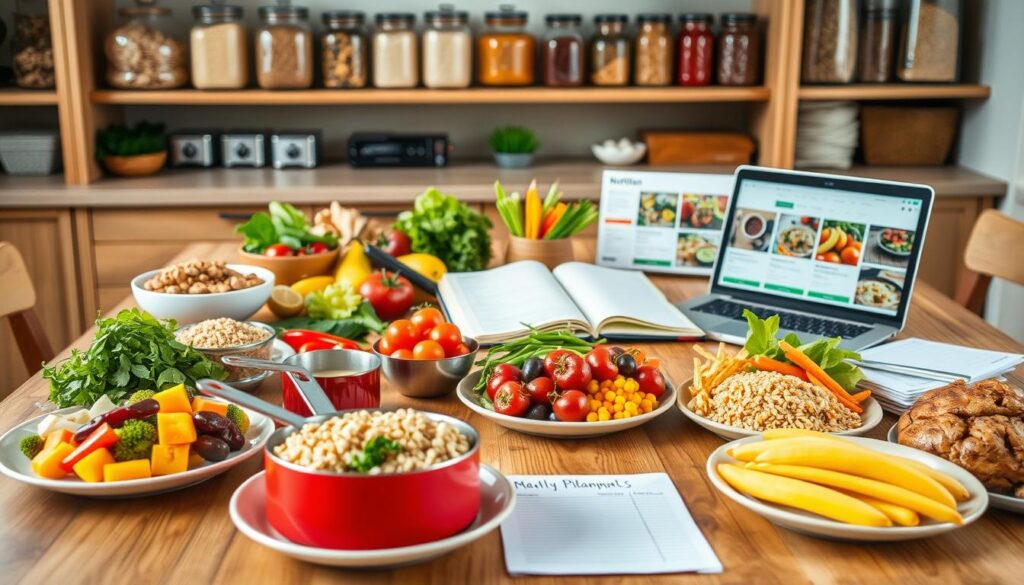
Most meal planning guides seem unrealistic. They’re like finding money in your coat pocket. Our guides are different. They’re for real people with real schedules.
Our guides don’t expect you to have a personal chef or unlimited money. They’re for those days when dinner is canned beans and rice. But it’s the best canned beans and rice you’ve ever had.
The Swiss Army Knife of Kitchen Organization
Ever felt lost reading food labels? Our guides help you understand them. You’ll know what “natural flavors” really means.
We follow the Dietary Guidelines for Americans and ChooseMyPlate.gov. These rules make meal planning easier. They turn “what’s for dinner” worries into a real plan.
Meal planning and smart food shopping strategies are key. They unlock your kitchen’s hidden powers.
Our guides differ from Pinterest boards in key ways:
- Practical portion guidance without measuring cups
- Easy-to-understand label reading
- Flexible templates for all diets
- Cost-effective ingredient swaps
- Ways to use leftovers
Our guides focus on progress, not perfection. Healthy eating is about balance. Sometimes, it’s even about choosing the least salty frozen pizza. Both are victories.
How to Register
Remember when signing up for nutrition programs felt like solving a Rubik’s Cube blindfolded? The maze that once stood between people and healthy eating has been cleared. What used to take a lot of paperwork now fits into your lunch break.
The Digital Revolution in Nutrition Education
I’ve seen this change myself. Paper forms that grew like rabbits have been replaced by systems that work. The key? Make signing up for a cooking class easy, or people will just order takeout.
The system now fits into our busy lives. People sign up while waiting for kids or during coffee breaks. It’s not just convenient—it meets people where they are.
All our programs are based on solid evidence and free for those who qualify. No hidden fees or surprise charges. Just top-notch education from experts who know nutrition inside out.
Ready to change how you see food? Contact Natalie Price, MPH at nmprice@ucanr.edu or (626) 586-1948. She’s made signing up for that perfect cooking class as easy as ordering pizza.
The process is so simple, you’ll wonder why everything isn’t this way. Your path to better eating begins with one email or call—no need for a PhD in paperwork.
Accessibility for Special Diets
Remember when special diets were treated like that eccentric relative at Thanksgiving? Those days are over. Now, nutrition education really gets the complexity of human dietary needs.
Senior Nutrition That Actually Makes Sense
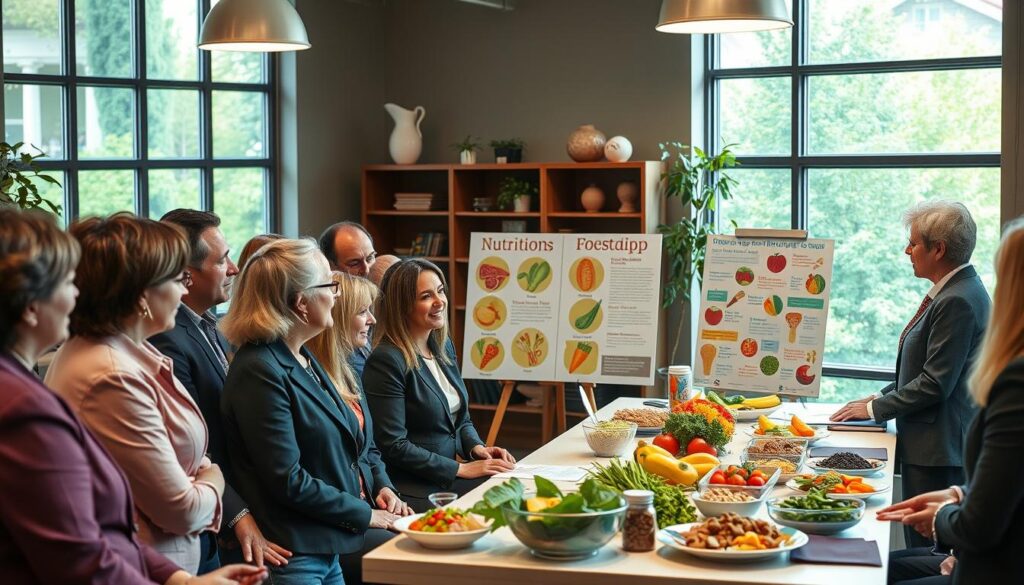
Let’s talk about our elders. Their nutritional needs are more than just smaller portions. We’ve created programs that focus on calcium for strong bones and vitamin D for happiness.
- Medication-food interactions that doctors rarely mention
- Easy-to-chew recipes that don’t taste like hospital food
- Budget-friendly shopping for fixed incomes
- Social eating programs that combat isolation
The Language of Nutrition Without Lost in Translation
Most programs fail because they assume “healthy eating” is universal. We offer nutrition lessons in six languages. This way, telling someone to “eat more vegetables” actually means something.
Our approach respects cultural traditions while adding science. It’s not about giving up cultural foods. It’s about making them healthier.
Customized Solutions for Real People
We’ve moved beyond one-size-fits-all solutions. Our programs now include:
- Gluten-free workshops that actually taste good
- Dialysis-friendly recipes that don’t require a chemistry degree
- Diabetes management that doesn’t eliminate all carbs
- Food allergy support that goes beyond “just read labels”
The result? People actually follow the advice because it respects their needs and tastes. Perfect nutrition is pointless if nobody wants to eat it.
Family Cooking Night Ideas
Remember when family cooking was just one parent microwaving chicken nuggets? Those days are over. Now, the kitchen is a place where everyone can help, even the picky eaters.
EFNEP’s hands-on nutrition programs have changed everything. Families now enjoy cooking together, making it fun and educational. They learn about healthy eating without even realizing it.
The 5-Second Rule (For Attention Spans)
Kids today get information fast, like a TikTok algorithm. Successful family cooking nights are quick and fun. They’re like culinary flash mobs, not long lectures.
It’s not about making kids into mini-chefs. It’s about creating fun food memories. When learning about nutrition is fun, everyone wins.
Game-Changing Kitchen Activities
Turn your kitchen into a culinary lab with these activities:
- Ingredient Detective: Blindfolded taste tests turn picky eaters into adventurous food explorers
- Budget Chef Challenge: See who creates the best meal using only $5 worth of ingredients
- Safety Squad: Make food handling rules a competitive game with actual points
These activities teach families to save money and handle food safely. It’s a fun way to learn about nutrition.
| Activity Type | Time Needed | Skill Level | Nutrition Focus |
|---|---|---|---|
| Build-Your-Own Bowl Bar | 25 minutes | Beginner | Whole grains, veggie variety |
| Pizza Geometry Night | 35 minutes | Intermediate | Portion control, food groups |
| Smoothie Laboratory | 15 minutes | All levels | Fruit/vegetable blending |
| Spice Market Challenge | 20 minutes | Advanced | Reducing salt, flavor exploration |
These activities are quick, fun, and educational. They fit different schedules and skill levels, promoting healthy eating habits.
The real victory is not just a perfect meal. It’s seeing kids excited about cooking or teenagers putting down their phones. That’s when you know you’re making a difference.
Success Stories
After 35 years in nutrition education, we’ve seen countless success stories. But ours don’t come from magic pills or Photoshopped pictures.
The real victories are more subtle. Like a family learning to cook together after our class. Or a senior discovering vegetables can taste great, a revelation as surprising as The Sixth Sense.
From Kitchen Nightmares to Culinary Dreams
Our programs, backed by UC research, show real results. People eat more fruits and veggies, move more, and enjoy cooking. It’s not just a change – it’s growth.
Kids asking for broccoli? It’s more common than you think. Families save money and eat better. People find joy in cooking again through our classes.
These stories show that good nutrition education does more than change what we eat. It changes how we think about food. The true success is in the quiet moments when a kitchen becomes a place of discovery.