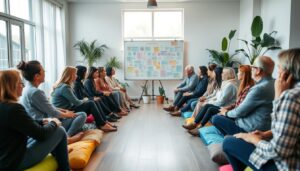
We’re raising a generation that might live shorter lives than their parents. This thought is quite unsettling.
Restaurant portions have tripled in 30 years. At the same time, school recess and PE have been cut down. This creates a perfect storm of sedentary lifestyles and poor nutrition.
But, youth wellness programs aren’t about cutting out fun foods. They’re about teaching kids to handle our unhealthy world.
It’s like teaching digital skills, but for their bodies. These initiatives help kids develop lasting healthy habits. Unlike New Year’s resolutions, these habits really stick.
Supporting young people’s mental health is key. It’s about raising self-sufficient adults who can set and reach their goals.
Types of Programs (Sports, Nutrition, Anti-Bullying)
Remember when after-school programs were all about dodgeball and weird crafts? Those times are gone. Now, programs for kids focus on tackling today’s big challenges.
Let’s look at the four main areas of today’s healthy kids programs:
- Passport to Manhood: A program for emotional growth before boys hit puberty (ages 11-14)
- SMART Moves: It’s about making smart choices, like staying away from drugs and alcohol
- SMART Girls: A program to boost self-esteem and fight mean-girl culture (ages 8-17)
- Healthy Habits: Teaching kids that veggies are more than just for looks
These programs are far from your grandma’s old-school wellness efforts. They’re designed to tackle today’s big issues. They teach kids to be emotionally strong and think critically.
Each program is like a special tool. Passport to Manhood teaches life skills. SMART Moves educates about sex in a safe way. SMART Girls turns health into a way to feel good about oneself. Healthy Habits makes learning about food fun.
The key is their focus. These programs know that one approach doesn’t fit all. They meet kids where they are, in every way.
Family Involvement
Wellness programs need family support to work. Schools spend millions on nutrition education, but parents often don’t get it. The real change comes when families join in, not just watch.
Children who eat with their families eat twice as many fruits and vegetables as others. They also see food as a part of life, not just a treat. This helps them fight against unhealthy food choices.
Getting involved means understanding your child’s world. School bake sales might seem harmless but can lead to unhealthy eating habits. Here are some ways to make a difference:
- Check your school’s food policies (yes, pizza is often considered a veggie)
- Plan meals on Sundays like you’re in a cooking competition
- Keep a regular schedule – kids like knowing what’s next
- Make fruits and veggies easy to see and grab
Teen groups can help in the kitchen, not just at school. Cooking together is more than just eating healthy. It’s about building a community where kids learn to enjoy healthy foods and spend quality time with family.
Having regular family meals gives kids something they can count on. In a world full of distractions, dinner becomes a stable point. Kids who know what to expect are more open to trying new foods and sharing their day.
It’s not about being a master chef. It’s about fighting against unhealthy food choices. Your kitchen is the heart of your family’s health journey.
Event & Group Calendar
Ever tried planning youth wellness activities without a calendar? It’s like herding cats while blindfolded – chaotic and pointless. Our calendar is more than just dates; it’s a key to understanding your child’s needs.
Why age-specific programming? It’s because a 6-year-old’s wellness needs differ from a 16-year-old’s. We’ve designed programs to match each age group’s needs with precision.
Each club adapts to its community like a chameleon. Programs change as kids grow. What works for younger kids won’t work for teenagers.
| Age Group | Program Focus | Sample Activities | Schedule Frequency |
|---|---|---|---|
| 6-9 years | Foundational wellness | Nutrition games, basic movement | Weekday afternoons |
| 10-12 years | Skill building | Team sports, cooking basics | Weekdays 4-6PM |
| 13-15 years | Identity & health | Mindfulness, leadership training | Weekends & evenings |
| 16+ years | Life preparation | College wellness, stress management | Flexible scheduling |
Finding the right program is like dating – timing is key. Our calendar makes sure your child gets the right program at the right time. Being age-appropriate is essential in youth wellness.
The developmental roadmap we’ve created shows that wellness isn’t one-size-fits-all. It’s about finding the right program at the right time. Nobody wants their teenager in a program for second graders.
Safety, Inclusivity & Supervision
Safety hasn’t kept up with today’s kids. We’re not just talking about scraped knees. We’re talking about creating safe spaces for healthy kids to grow strong without risks.
Our method is like a digital ninja and a wilderness guide combined. We take data privacy as seriously as physical safety. In 2024, a hacked Instagram account can be more damaging than a bruised elbow.
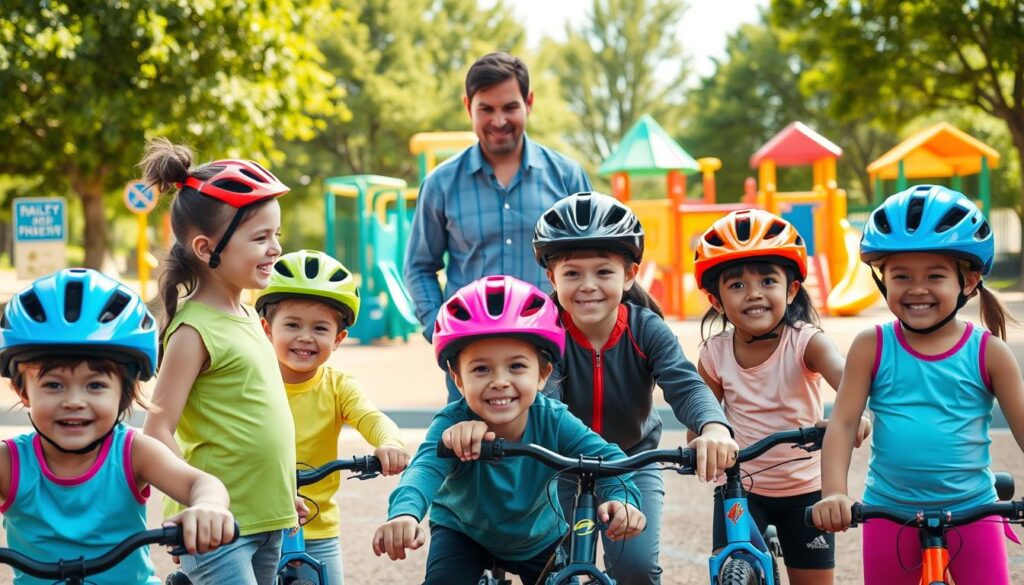
Inclusivity is more than just checking boxes. It’s about understanding that wellness is different for everyone. Our staff learns to tell when a kid is upset or just being rebellious. Sometimes, an eye-roll is just that, but other times, it’s a cry for help.
We’ve created a wellness inclusion framework with three key pillars:
| Physical Safety | Emotional Safety | Digital Safety |
|---|---|---|
| Certified first-aid staff at all events | Trauma-informed communication training | Strict social media guidelines |
| Equipment safety checks | Identity-affirming spaces | Data encryption protocols |
| Risk-assessment for all activities | Zero-tolerance bullying policy | Parental consent requirements |
Supervision here means more than just watching. It means having adults who support calculated risks. Our staff-to-youth ratio ensures every kid gets the attention they need without feeling watched.
Raising healthy kids means preparing them for a world full of challenges. We’re here to help them navigate both the playground and the minefield with confidence.
Success Stories from Local Kids
Imagine if the biggest wellness breakthrough wasn’t a diet or exercise. It’s when a teenager chooses water over soda. That’s the kind of magic we’re talking about.
Brandon, our portion control hero, didn’t follow a strict diet. His family worked with our teen groups. They learned that eating well is about enjoying food without guilt. Brandon found that smaller portions mean more enjoyment, not less.
Maya thought exercise was all about suffering in gym class. But through our teen groups, she discovered movement can be fun. She started with walking meetings and now organizes weekend hikes.
These aren’t just transformation stories. They’re about kids discovering wellness is an ongoing conversation with their bodies. The real victory isn’t in dramatic before-and-after photos. It’s in the quiet moments, like choosing an apple over chips or looking forward to moving.
Our teen groups have seen amazing changes. Here’s what real progress looks like:
| Teen Group Type | Key Challenge | Breakthrough Moment | Long-term Impact |
|---|---|---|---|
| Nutrition Focus | Emotional eating habits | Learning mindful eating techniques | Healthier relationship with food |
| Fitness Community | Gym class anxiety | Discovering enjoyable movement | Regular physical activity |
| Mental Wellness | Social media pressure | Digital detox strategies | Improved self-esteem |
| Social Connection | Isolation tendencies | Group support system | Stronger peer relationships |
The most rewarding part? Seeing kids understand wellness isn’t about being perfect. It’s about making progress, one choice at a time. And honestly, that’s more satisfying than any viral video.
How to Sign Up
Getting your kid into our programs is easy. We’ve cut out the red tape that usually slows down youth wellness. No long forms or long waits.
Here’s how it works:
- Find your local club – because context matters more than you think
- Select age-appropriate options – nobody wants teenagers coloring with crayons
- Review community-specific programs – Brooklyn and Boise have different needs
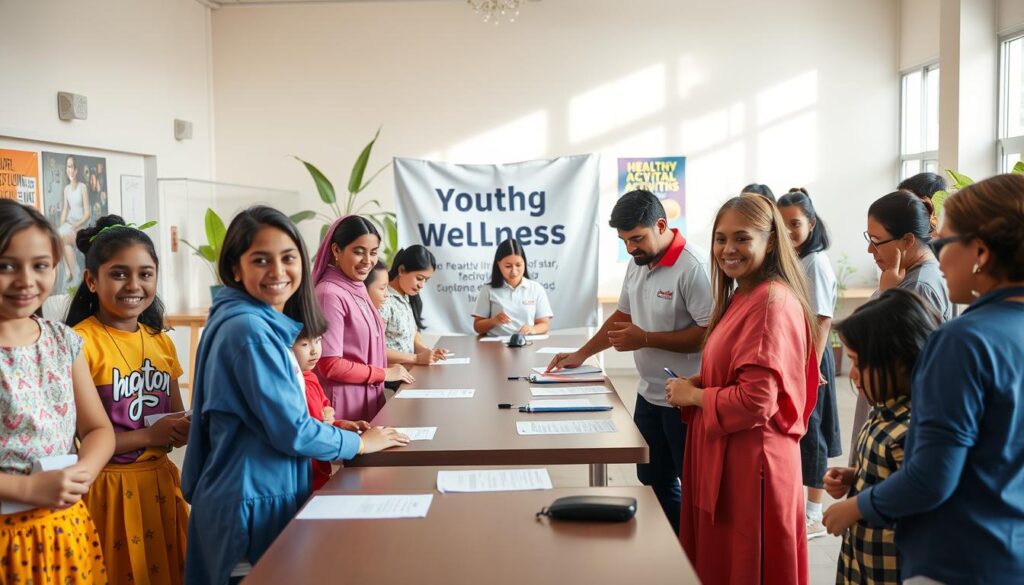
Our clubs are unique. Each place offers programs that fit local needs. In cities, we focus on nutrition. In suburbs, it’s about digital wellness.
We match community needs with what each kid needs. It’s not a one-size-fits-all approach. We create programs that are made for real kids in real places.
Age matters for fun and safety. A 7-year-old loves playgrounds and stickers. A 17-year-old wants leadership and college prep. We understand this.
Ready to start? Use our club locator to find the right program for your kid. It’s quicker than picking what to watch tonight.
We believe in customization. Your community’s vibe should shape the youth wellness experience. So, Brooklyn might have urban gardening, while Boise focuses on mountain biking.
Signing up for our programs is fun. It’s almost as good as understanding your teenager’s slang.
FAQ for Parents & Teens
Is juice a health food? Think of it as fruit without its fiber and dignity—just sugar in a costume. For truly healthy kids, cap juice at 4oz daily; water is best.
Do teens need 60 minutes of exercise all at once? Please. They’re not training for the Olympics. Activity can be in bursts—dancing, walking, even eye-rolling burns calories.
Is breakfast negotiable? Only if you enjoy the 3PM crash-and-cookie cycle. A breakfast with protein, carbs, and produce builds resilient, healthy kids who won’t raid the vending machine by afternoon.
How do you make vegetables appealing? Sometimes you don’t. Sometimes you just serve them until they become background noise—like a bad pop song you eventually hum along to.
Is this normal? Probably. Wellness isn’t perfection; it’s progress. Because let’s be real: nobody ever got healthy from reading Nietzsche.