In today’s busy world, takeout often wins the dinner battle. The question “What’s for dinner?” can feel like a desperate call for help.
But what if we could change this? Imagine turning a local library or church basement into a cooking haven. It would be a place where people gain confidence in the kitchen.
It’s not just a dream. The Happy Kitchen / La Cocina Alegre® shows it’s real. They offer free, bilingual nutrition education in areas with high food insecurity. They believe health knowledge should be free and led by local people.
The goal is to use cooking to fight chronic diseases and promote wellness. It’s a smart way to make a difference. Think of it as a block party and a life skills seminar combined. For more on this approach, check out this family cooking program.
So, is your neighborhood ready to swap a phone for a whisk?
Selecting Cuisines and Dietary Needs
Dealing with different dietary needs can seem like a puzzle. But, it’s really about cultural traditions, health conditions, and picky eaters. It’s not about finding one perfect menu. It’s about creating a learning experience that respects everyone’s background and health goals.
Effective nutrition education values cultural traditions. It doesn’t just add them as an afterthought. Programs like The Happy Kitchen show that using familiar ingredients and recipes is key. This approach respects heritage and makes learning more engaging.
Medical needs also play a big role. Nutrition education is essential for people with health conditions. For example, cooking for diabetes isn’t about cutting out food. It’s about learning to balance nutrients and manage blood sugar levels. This approach turns cooking into a valuable skill for life.
Picky eaters add a fun twist to the mix. The “parts method” is a clever solution. Cook basic components like grains, proteins, and veggies. Let everyone assemble their own dish. This way, everyone gets to enjoy their favorite foods.
Is your program rigid or flexible? The answer is key to success. Here’s a look at the main approaches:
| Focus Area | Key Insight | Implementation Tip |
|---|---|---|
| Cultural Traditions | Authenticity fosters trust and deepens learning. | Start class with a story about a core ingredient’s origin. |
| Managing Health Conditions | Nutrition education is personalized medicine. | Partner with a local clinic for credible handout materials. |
| Accommodating Preferences | Choice reduces friction and increases participation. | Set up “build-your-own-bowl” stations with diverse toppings. |
The magic happens when different needs meet. A bean stew can be culturally significant, good for diabetes, and adaptable for picky eaters. This is not about giving up. It’s about creative cooking.
Be adventurous in your cooking. Start with 20 meals your group likes. Then, introduce new items slowly. Pair new foods with familiar ones to make learning easier. This way, even new veggies become friends with favorite dishes.
Choosing cuisines is about understanding the people cooking. Your class succeeds when it reflects everyone’s needs and tastes. This way, you go beyond teaching recipes to empower lasting change.
Sourcing Affordable Ingredients
Forget truffles—the true luxury in cooking is stretching a dollar like spandex. It’s not about settling for less. It’s about using smart economics to make every dollar count.
Think of it as analytical grocery shopping. The goal is to use resources wisely, not to buy cheap. Seasoned parents are experts at this, turning grocery shopping into a strategic game.
They start with gathering intel. Weekly ads are their reconnaissance reports. They use them to find the best deals on produce and protein. This is more than shopping; it’s a tactical move.
Buying in bulk is a key strategy. That big bag of rice or beans is a financial asset. Planning meals around these items and sales is the heart of efficient meal prep.
Not picky? Here’s a tip. Frozen fruits and vegetables are a logistical dream. They save money and keep nutrients fresh. They’re your ally against food inflation.
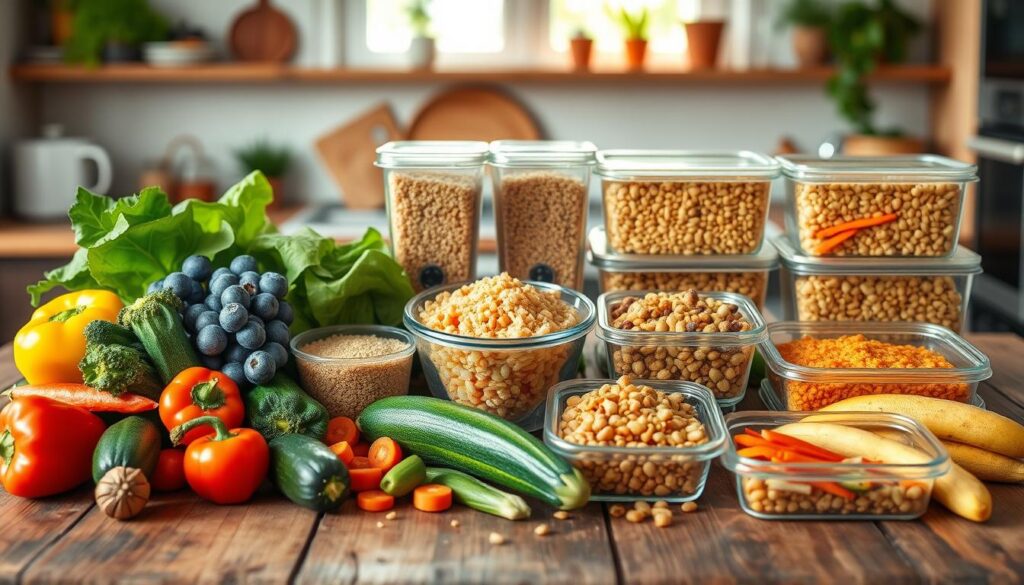
Cooking with what’s in season is basic economics. When supply is high, prices drop. Learning to cook with the seasons is a budget-friendly skill.
Imagine a cooking class that teaches this. The grocery store becomes a map of opportunities. The sale bin and bulk aisle are your allies. Programs like The Happy Kitchen offer local, seasonal produce, making learning immediate.
So, what are the actionable rules of engagement? Let’s break it down:
- Scout the Ads: Plan your weekly menu based on circulars from local stores.
- Embrace the Bulk: Invest in non-perishable staples to lower your cost per meal.
- Defrost Your Bias: Incorporate frozen produce, when on sale, for consistency and value.
- Follow the Season: Let nature’s calendar dictate your vegetable roster for peak flavor and low cost.
The question shifts. It’s no longer “Can we eat well on a budget?” It’s “How do we turn these financial constraints into a creative daily challenge?” This is where systematic meal prep shines. It’s the framework that turns smart sourcing into lasting habits. The constraint, it turns out, isn’t a barrier. It’s the muse.
Hands-On Stations and Kid Helpers
If you dream of a cooking class without kids, you’re not thinking about cooking. The real magic is in the chaos. A toddler with a plastic knife is like a mini sushi chef.
A parent once told me, “We play music, like Disney songs. No TV allowed.” This isn’t about silence. It’s about replacing noise with fun, productive sounds. The kitchen becomes a dance floor, and everyone joins in.
This isn’t just fun. It’s psychology in action. Letting kids help with salad makes them own it. Psychologists call this the “Ikea Effect.” Even a tough dish like beef stew becomes “my stew” after they help.
Dedicated stations are genius. They’re like mini culinary labs. A taco bar or stir-fry line teaches kids about choice and control. Letting them pick between black beans and pinto beans boosts their agency.
| Station Type | Sample Task | Kid-Friendly Tool | Psychological Benefit |
|---|---|---|---|
| Prep Station | Washing veggies, tearing herbs, mashing soft beans | Colorful colander, nylon knife, potato masher | Builds fine motor skills and sensory familiarity with ingredients. |
| Assembly Station | Building tacos, layering yogurt parfaits, topping mini pizzas | Muffin tins, small bowls for toppings, spreaders | Teaches decision-making and creates a sense of personal creation. |
| Spice & Season Station | Adding pre-measured spices to a bowl, squeezing lemon wedges | Small ramekins, citrus squeezer, measuring spoons | Introduces scientific concepts (measurement, cause/effect) and flavor exploration. |
A well-planned cooking class does more than teach recipes. It turns kids into willing helpers. It shows them the value of teamwork and responsibility. It’s like a delicious experiment in human behavior, inspired by early education’s helpers concept.
Nutrition Nuggets per Recipe
Forget counting calories. Real nutrition education comes from knowing why certain foods are better for you. For example, beans are better for your blood sugar than bread. This is the idea behind our “Nutrition Nugget.”
Think of it as a hidden TED Talk in your taco. When someone explains how black beans help control blood sugar, that’s a nugget. It turns the “what” into the powerful “why.”
Our tone is both witty and analytical. We compare food to a band: carbs are the rhythm, fats are the bass, and protein is the lead singer. This makes the science easy to remember.
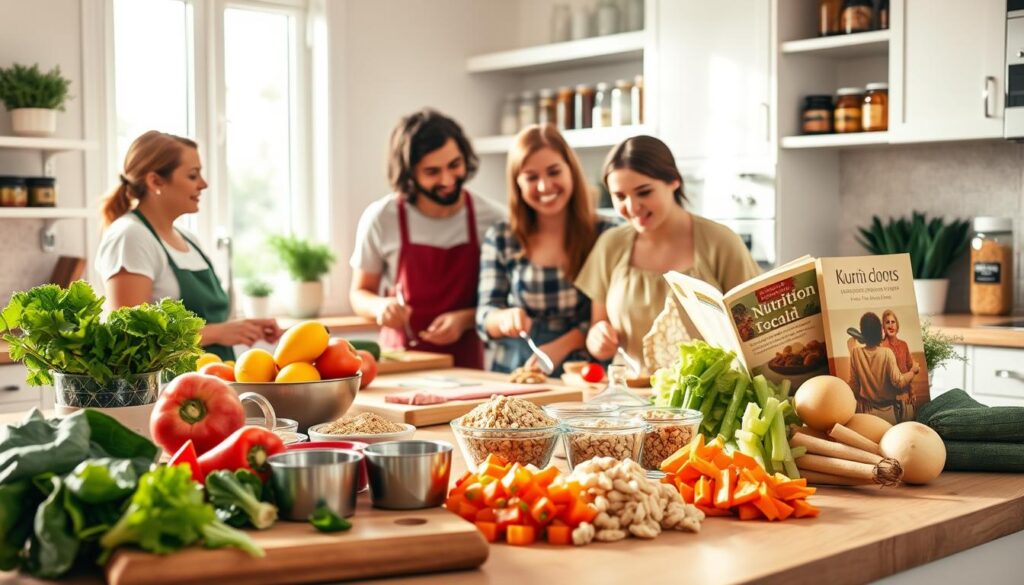
Ever wondered why soup tastes better the next day? That’s because of “flavor melding,” a food science fact. It also makes your meal prep last longer. Most dishes last 3–4 days, but soups can last 4–5 days.
Freezing is like giving your food a backstage pass for longer storage. This approach helps manage and prevent health issues like diabetes. Learning about the glycemic load of your food is more powerful than any diet.
We focus on a balanced plate with fruits, veggies, whole grains, and lean protein. Every recipe demo is built on this foundation.
The table below shows how a typical recipe component delivers its nugget. It ties directly to your meal prep strategy and health.
| Recipe Component | The Nutrition Nugget (The “Why”) | Meal Prep Lifespan Tip | Diabetes Management Link |
|---|---|---|---|
| Black Beans | Their high fiber content slows digestion. This prevents blood sugar spikes, providing steady energy. | Cook a big batch. They freeze beautifully for up to 3 months, ready to thaw for tacos or salads. | Fiber is a key nutrient for glycemic control. It helps manage insulin response. |
| Colorful Veggies (Bell Peppers, Carrots) | Searing them quickly locks in flavor and nutrients. The vibrant colors signal a high antioxidant load. | Pre-chopped and seared veggies store well for 4 days. They’re perfect for quick stir-fries or omelets. | Antioxidants combat inflammation, which is often linked to insulin resistance. |
| Whole Grain Quinoa | It’s a complete protein. Unlike white rice, it has all nine essential amino acids plus fiber. | Cooked quinoa keeps for 5 days in the fridge. It’s a stellar base for cold lunches or a quick heat-up side. | The complex carbs and protein provide sustained energy without major glucose spikes. |
| Lean Chicken Breast | Baking or grilling preserves lean protein without adding unhealthy fats. Protein is key for feeling full and repairing muscles. | Shredded, cooked chicken is a meal prep superstar. Use it within 4 days or freeze in portioned bags. | Lean protein helps maintain muscle mass, which improves the body’s ability to use insulin effectively. |
This table isn’t just information. It’s a blueprint for empowerment. When you know why searing matters, you’ll do it. When you understand how fiber works, you’ll seek it out. That’s the lasting impact of true nutrition education.
The nugget turns a simple cooking lesson into a masterclass in food science and body wisdom. It’s the knowledge that outlasts the single dish and transforms your entire approach to the kitchen.
Partnering with Food Banks and Markets
Working with local food banks and markets is like adding superpowers to your cooking class. It’s not just charity. It’s about creating a strong ecosystem together.
Your class teaches people how to cook. They provide the food and the place. You show them how to make meals from donated items. It’s a win-win situation.
Take the Sustainable Food Center’s “We’ll Come to You” program. They teach cooking in churches, schools, and libraries. It’s about meeting people where they are, not just reaching out.
This partnership is great for everyone involved:
- Amplified Reach: You reach more people through food banks and community agencies.
- Relevant Ingredients: You use seasonal, affordable, or donated items for practical meal prep lessons.
- Enhanced Credibility: Working with known places like Family Resource Centres makes your program more credible.
- Sustainable Impact: You teach people to use community resources for the long term, not just once.
One cooking class in a library teen lounge can do more for community health than a thousand pamphlets. It turns passive resources into active, repeatable skills.
Your goal is to create a local food Avengers team. The food bank is your supply line. The community center is your base. Your cooking class is the training that turns uncertainty into capability, one simple, healthy meal prep session at a time.
Evaluating Skills Gained
How do you measure the success of a cooking class? It’s not just about a perfectly cut carrot. It’s about the change in someone’s kitchen. This change is both measurable and deeply personal.
We look for skills that show up in everyday life. Can a parent now read a nutrition label? Have they learned to cook once and eat twice? These are the signs of real nutrition education.
The proof is in the stories. A participant from The Happy Kitchen said, ‘I have learned many recipes which before this, I would have never tried but now I am more adventurous.’ This is what we aim for. Our peer facilitators share their experiences. We give a free cookbook and ingredients for the week. This turns a classroom lesson into a home practice.
As an organizer, you see behavioral change. Did the class build confidence and community? The real measure is if the lessons last long after the class ends. Did the nutrition education become part of daily life?
Success isn’t just a certificate. It’s about a family eating better, one adventurous recipe at a time.