Artificial intelligence has reshaped the way people access healthcare information. In 2026, AI-powered symptom checkers have evolved into sophisticated digital triage tools capable of analyzing symptoms, assessing risk levels, and guiding users toward appropriate care. While these tools are not substitutes for licensed medical professionals, they serve as valuable first steps in understanding health concerns.
Among dozens of digital health platforms available today, three names consistently rise to the top: Ada Health, WebMD, and Buoy Health. Each offers a unique approach to AI-driven symptom assessment. Below is a comprehensive review of how they compare in accuracy, usability, pricing, and overall value.
Why AI Symptom Checkers Are Growing in Popularity
Healthcare access remains uneven in many regions, and appointment wait times can stretch for days or even weeks. AI symptom checkers help bridge that gap by offering instant preliminary insights. These platforms use machine learning algorithms, medical databases, and adaptive questioning systems to evaluate user input.
What separates modern AI symptom tools from early online checkers is their structured reasoning model. Instead of simply matching keywords, advanced systems evaluate symptom combinations, duration, risk factors, and demographics to generate probability-based assessments.
For users seeking immediate clarity—especially outside of clinic hours—these tools provide a practical starting point.
1. Ada Health: The Most Clinically Robust AI Symptom Checker
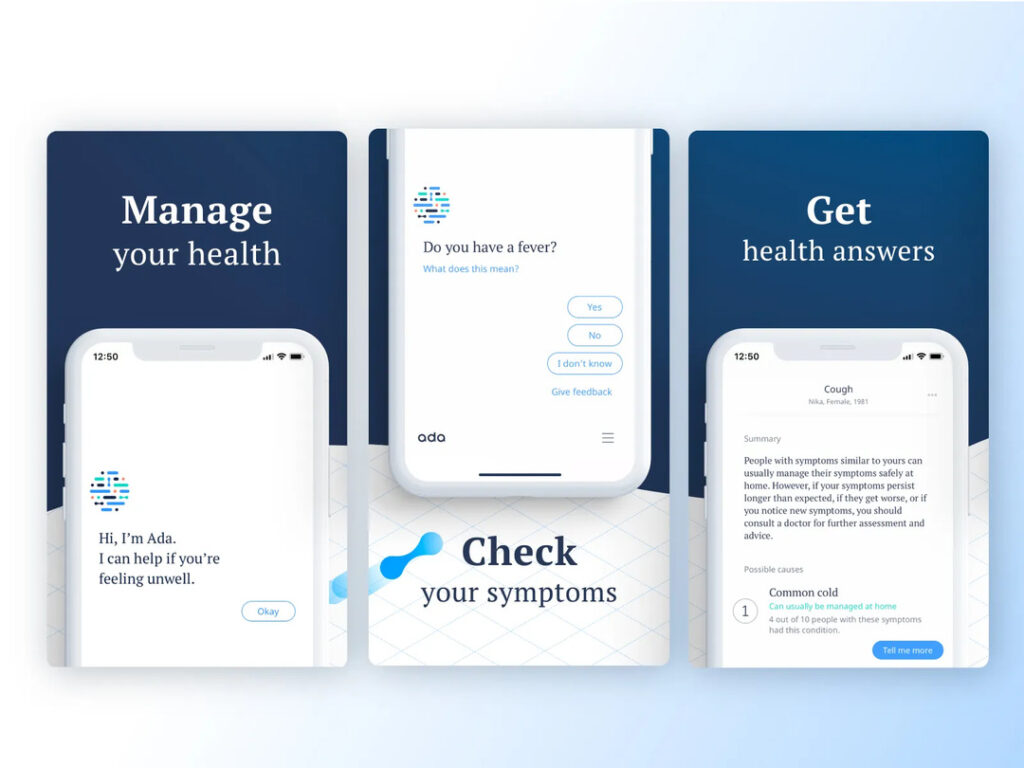
Overview and How It Works
Ada Health has built a reputation for clinical rigor. Designed with physician input and grounded in peer-reviewed medical research, its AI system walks users through a highly structured, adaptive questionnaire.
The platform dynamically adjusts questions based on previous responses. Rather than offering broad assumptions, it narrows possibilities with increasing precision.
Features and Capabilities
Ada evaluates thousands of medical conditions, from common seasonal illnesses to rare disorders. It provides urgency guidance, categorizing results into self-care, primary care consultation, or emergency attention. The interface feels professional and methodical, which reinforces its medical credibility.
Pricing
- Basic Symptom Assessment: Free
- Ada Plus (premium features, extended tracking and reports): approximately $5–$10 per month, depending on region and plan
Where to Access
- Official Website: https://ada.com
- iOS App Store
- Google Play Store
Strengths and Limitations
Ada’s strongest advantage is diagnostic depth. Independent evaluations often rank it among the most accurate consumer-facing AI tools. However, the thorough questioning process can take longer than other apps, which may not appeal to users looking for a quick answer.
Final Score: 9.5/10
Ada stands out for medical reliability, structured assessments, and global healthcare partnerships. It is ideal for users who prioritize clinical thoroughness over speed.
2. Symptate
Best For: Fast, localized urgent care routing.
How it Works: Symptate excels at connecting the digital diagnosis with physical action. After assessing your symptoms, it integrates with your phone’s location services to recommend the nearest appropriate facility, complete with current wait times.
The Verdict: Highly practical. It is the best app for deciding whether a late-night stomach ache warrants an expensive trip to the ER or a cheaper visit to an urgent care clinic the next morning.
3. Google DermAssist
Best For: Skin, hair, and nail conditions.
How it Works: Rather than relying purely on text, DermAssist is a multimodal AI. You upload three photos of your skin concern from different angles, and the AI compares them against a massive clinical database of dermatological conditions.
The Verdict: While it explicitly states it is not a diagnostic tool, its visual recognition capabilities are staggering. It is incredibly useful for identifying common rashes, bug bites, and moles that should be flagged for a physical dermatologist.
Important Disclaimer: AI symptom checkers are triage tools, not doctors. They are designed to point you in the right direction, but they should never override professional medical advice, especially in emergency scenarios.