Digital transformation is reshaping healthcare across the world. Hospitals, clinics, and research institutions are increasingly relying on artificial intelligence, cloud computing, and connected medical devices to improve patient outcomes and streamline operations. However, this rapid adoption of technology has introduced a critical challenge: protecting sensitive patient data from cyber threats.
When a hospital integrates an AI diagnostic tool to analyze patient X-rays or summarize clinical
notes, a massive amount of highly sensitive Protected Health Information (PHI) must be
processed. In 2026, the dominant force handling this monumental computing task is Microsoft.
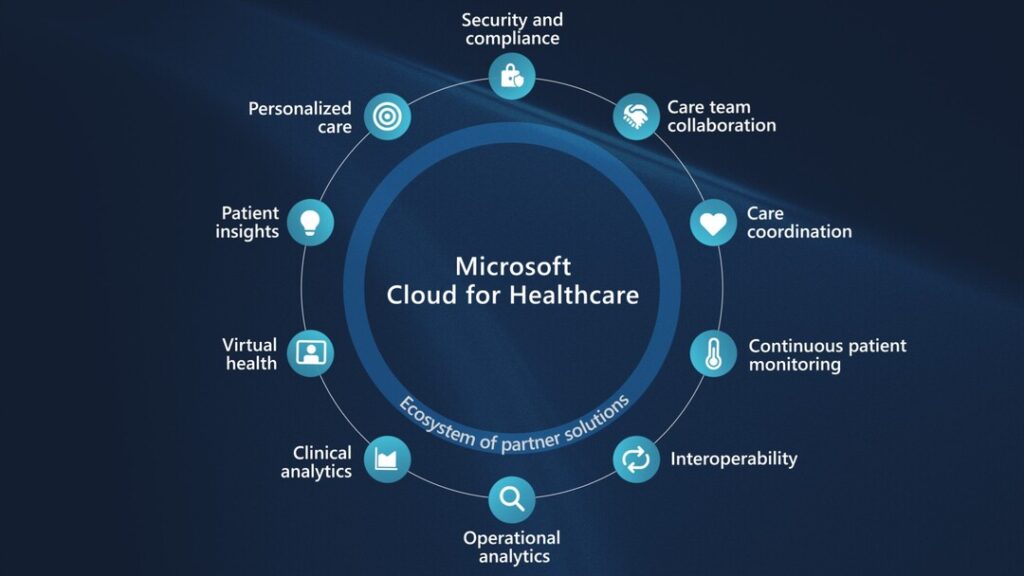
Through Microsoft Cloud for Healthcare and its Azure platforms, the company has positioned
itself as the underlying architect of modern medical AI. But how exactly are they keeping your
medical records safe while running them through complex machine learning models? It comes
down to a combination of software architecture and unparalleled physical infrastructure.
The Zero Trust Architecture
Microsoft secures medical data using a “Zero Trust” framework. Historically, if a hacker
breached a hospital’s outer firewall, they had free rein over the internal network. Zero Trust
assumes the network is always hostile.
When a healthcare provider uses a Microsoft AI model, the data is processed inside secure
“enclaves” (like Intel SGX hardware). This means the data remains fully encrypted even while
the AI is computing it. The algorithm can read patterns to detect a tumor or suggest a treatment
plan without ever actually exposing the patient’s name, social security number, or raw medical
history to the outside system.
AI-Driven Threat Detection Strengthens Cyber Defense
Artificial intelligence plays a central role in protecting healthcare data within Microsoft’s ecosystem. Traditional cybersecurity tools often rely on predefined rules to identify threats, but modern cyberattacks evolve rapidly and may bypass static defenses.
AI-based security systems analyze massive volumes of network activity in real time, searching for unusual behavior patterns that could indicate malicious activity. For example, if a user account attempts to download an unusually large number of patient records or access systems outside normal working hours, the AI platform can immediately detect the anomaly.
Machine learning models continuously improve their detection capabilities by learning from past incidents. This allows security systems to recognize emerging threats that may not yet be widely documented. Instead of reacting after a breach occurs, healthcare providers can respond proactively, stopping suspicious activity before sensitive data is compromised.
This level of predictive protection is especially valuable for hospitals and clinics that may not have large cybersecurity teams. AI tools provide an additional layer of automated defense that operates around the clock.
Azure’s Cloud Architecture Provides Multi-Layered Protection
While software encryption is vital, the sheer computing power required to run medical
foundation models requires a physical infrastructure that very few companies on earth can build.
Microsoft’s strategic advantage in AI healthcare relies heavily on its massive network of next-
generation data centers. Training a clinical AI model to solve complex medical cases with 85%
accuracy consumes an astronomical amount of power. To ensure that these life-saving AI
networks remain online 24/7 without destabilizing local power grids, Microsoft has heavily
invested in dedicated, sustainable baseload energy.
This includes securing advanced nuclear power agreements to feed their data centers the
massive, uninterrupted clean energy required to process global healthcare analytics. By isolating
the energy consumption of these facilities, Microsoft ensures that the rapid scaling of medical AI
does not result in spiked electricity costs for the surrounding communities or the hospitals
relying on the technology.
Meeting Strict Healthcare Compliance Requirements
Healthcare providers operate under strict regulatory frameworks designed to protect patient privacy. In the United States, organizations must comply with the Health Insurance Portability and Accountability Act (HIPAA), while other regions enforce similar data protection laws such as the General Data Protection Regulation (GDPR).
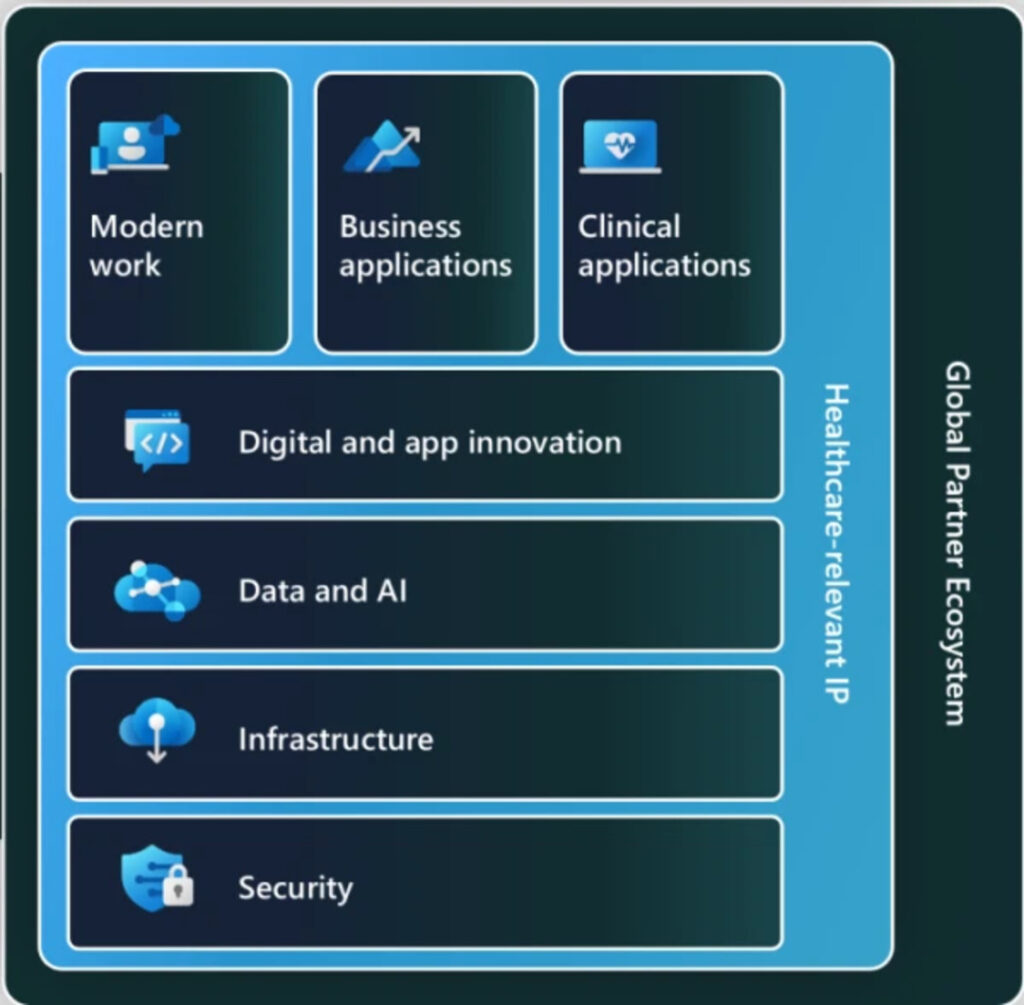
Microsoft has built compliance tools directly into its healthcare cloud platforms to help organizations meet these regulatory requirements. Azure provides detailed auditing systems, automated compliance monitoring, and secure reporting tools that allow healthcare administrators to track how data is accessed and used.
Microsoft’s approach to healthcare AI is highly enterprise-focused. By embedding HIPAA and
GDPR compliance directly into the physical hardware and the power grid running the servers,
they have created an environment where hospitals can finally innovate without risking
catastrophic data breaches.
Securing the Expanding Ecosystem of Medical Devices
Modern healthcare environments include a wide range of connected technologies, from diagnostic imaging machines to wearable health trackers. While these devices improve patient care and enable continuous monitoring, they also introduce additional cybersecurity risks.
Microsoft’s healthcare infrastructure includes device management systems designed to secure these connected technologies. Hospitals can monitor the activity of medical devices and ensure they remain within protected network environments.
AI-powered monitoring tools analyze device behavior to identify unusual patterns that may signal tampering or malware activity. If a device begins transmitting abnormal data or attempting unauthorized network connections, the system can alert administrators and isolate the device to prevent further risk.
This proactive approach helps maintain the safety and integrity of medical equipment while protecting the data those devices generate.
Responsible AI and Patient Privacy
While artificial intelligence can unlock valuable insights from healthcare data, it must be implemented responsibly. Concerns about privacy and ethical data use have become increasingly important as AI systems analyze sensitive medical information.
Microsoft has established a framework for responsible AI development that emphasizes transparency, accountability, and fairness. Patient data used for research or analysis is often anonymized, ensuring that personal identities remain protected.
Healthcare providers also maintain control over how their data is used within the cloud environment. This ensures that organizations can benefit from AI insights without sacrificing patient trust.
By focusing on ethical AI practices, Microsoft aims to create a healthcare technology ecosystem that prioritizes both innovation and privacy.
Enabling Secure Collaboration and Medical Innovation
Beyond protecting patient data, Microsoft’s AI infrastructure enables secure collaboration across the healthcare industry. Researchers, hospitals, and pharmaceutical companies can share insights and analyze large datasets while maintaining strict privacy protections.
This collaborative environment supports advancements in disease detection, treatment development, and personalized medicine. AI models can analyze medical images, identify patterns in patient records, and assist clinicians in making more informed decisions.
Because these processes occur within a secure cloud environment, healthcare organizations can collaborate without exposing sensitive information to unnecessary risk.
The Future of AI Security in Healthcare
As healthcare systems continue to evolve, cybersecurity will remain a central concern. The increasing use of AI diagnostics, remote patient monitoring, and digital health platforms will generate more data than ever before.
Microsoft is investing heavily in next-generation security strategies such as zero-trust architecture, which requires continuous verification of users and devices before granting access to sensitive systems. Combined with advanced behavioral analytics, these technologies aim to create an even more secure digital healthcare ecosystem.
The future of healthcare will depend on balancing technological progress with strong privacy protections. By integrating artificial intelligence with robust cybersecurity infrastructure, Microsoft is helping healthcare organizations achieve that balance.
Final Thoughts
The rapid digital transformation of healthcare offers tremendous potential for improving patient care, accelerating medical research, and enhancing operational efficiency. Yet these advancements must be accompanied by strong data protection measures.
Microsoft’s AI healthcare infrastructure demonstrates how advanced technologies can be used to safeguard patient information while supporting innovation. Through secure cloud platforms, intelligent threat detection, and compliance-focused design, healthcare organizations can protect sensitive data without slowing technological progress.
As hospitals and healthcare providers continue to embrace digital solutions, secure AI infrastructure will play a critical role in ensuring that patient data remains safe, private, and trusted in the modern healthcare landscape.