Forty-one percent. Let that number hit you like a ton of bricks. The Trevor Project’s latest data shows that’s how many LGBTQ+ youth thought about suicide last year.
My analyst brain kicks in. This isn’t a pathology. It’s a symptom of cultural hostility, political stigma, and a lack of safe places.
The solution isn’t a secret. It’s community. The data is clear: having one accepting adult can greatly reduce a young person’s risk. This isn’t just a pep talk; it’s a blueprint for mental health.
Think of an affirming space as your most critical piece of open-source code. It’s the difference between facing a storm alone or having a skilled crew on a solid ship. This isn’t about touchy-feely stuff. It’s about breaking down the walls of isolation.
Creating these spaces is how we fight back against the noise. It’s also the foundation of the proven benefits of affirming care. We’re not just saving lives. We’re building a world where thriving is the norm, not the rare exception.
Types of Groups
The idea that there’s only one type of support group is outdated. It’s like saying pineapple belongs on pizza, ignoring personal taste. Today, there’s a wide range of groups for different needs and identities.
LGBTQ+ community groups are like general doctors. They welcome everyone and deal with big issues like coming out and discrimination. These groups are great for those new to their identity or looking for queer community connections.
Then, there are specialized groups focusing on gender identity. These are for trans, nonbinary, and gender-questioning people. Places like the Trans Lifeline offer crisis support that gets the unique challenges of gender identity.
But, identity is complex. Intersectional groups help by considering multiple aspects of a person. For example, the Desi LGBTQ+ Helpline helps South Asians with cultural and sexual identity. The Muslim Alliance for Sexual and Gender Diversity does the same for Muslims.
There are groups for almost every group:
- Faith-based groups: For those blending spirituality with queer identity.
- Age-specific circles: Like SAGE for older LGBTQ+ adults, tackling age-related issues.
- Affinity groups: Based on hobbies, professions, or being a parent.
General groups offer diversity but might not focus on your gender identity. Specific groups provide deep understanding but might miss other important aspects of your life.
Faith or cultural groups offer deep cultural understanding. But, they might attract people at different stages of acceptance.
Choosing a group is about finding the right fit. At times, you need a hotline, other times a book club that respects your pronouns. Many people join multiple groups for different needs.
This approach shows that support is most effective when you feel fully seen. It’s not just about being LGBTQ+, but about being a whole person with a unique gender identity, culture, and story. This diversity is a sign of growth, not division.
Family and Ally Participation
The Trevor Project’s research shows a clear truth: one accepting adult can cut suicide risk by nearly half. This is more than a number; it’s a call to action. Family and ally support is key to well-being.
What does it mean to be a real ally? It’s not just waving a rainbow flag in June. It’s about the parents who learn about gender theory late at night. It’s the siblings who stand up for their LGBTQ+ friends in school. It’s the friends who become like family.
So, how do allies fit into peer support groups? It’s a balance. Sometimes, they join ally spaces to learn and grow. Other times, they help in mixed groups, supporting without taking the spotlight.
Think of it like tech support for a system you don’t use. You don’t have to be the user to help. Your job is to make sure the system works well for those who use it every day.
Knowing what to do and what not to do is important. Do listen more than you speak. Do learn from trusted sources, like this guide on supporting LGBTQ family members. Do ask how you can help and follow through.
Don’t make it about you. Don’t expect praise for basic kindness. Don’t think your good intentions excuse mistakes. The awkward moments, like using the wrong pronouns, should be lessons, not excuses.
Being a good ally in peer support groups means being a steady presence. It’s about showing up regularly, not just when it’s easy. It’s about using your privilege to help others, not to seek praise.
This creates a strong network. Allies help extend the network’s reach and strength. They open doors, protect against hate, and show that acceptance is real.
The goal is to become unnecessary. The best allyship helps people become strong and connected on their own. That’s the true power of peer support.
Ensuring Safety & Privacy
Building a safe space for exploring gender identity in 2024 is more about digital security than paint colors. It’s not just about being cautious; it’s about protecting yourself. Sharing your identity can affect your job, family, or even the law.
Your group’s safety plan is like a membership agreement. It’s essential for your digital fortress.
Meetings are just one part of safety. Before sharing where you are, talk privately first. But online, you’re more exposed. Your online activities can be tracked.
Always check if a resource keeps your info private. A community center might report differently than a therapist. Their advice is key here.
Choosing where to meet online is a big decision. Some platforms are safe, while others are not.
| Platform | End-to-End Encryption | Metadata Collection | Group Management | Best For |
|---|---|---|---|---|
| Facebook Groups | No | Extensive | Robust | Public awareness, low-risk discussions |
| Yes (for chats) | Yes (contacts, usage) | Basic | Quick, encrypted messaging | |
| Signal | Yes (default) | Minimal | Basic | High-security private conversations |
| Discord (private server) | No (text), Yes (calls) | Moderate | Very Robust | Structured, topic-based communities |
Signal is best for private talks. It keeps your chats safe. Facebook Groups are public, so your activity is tracked.
Write clear rules for your group. These guidelines protect everyone. They should cover confidentiality and how to handle problems. This creates a safe space for everyone.
Safety is key in talking about gender identity. With the right safety measures, trust and community will grow.
Activities and Discussion Ideas
The most radical act of LGBTQ+ wellness is to make our gatherings places of healing, not suffering. We’ve mastered the art of sharing our pain. Now, it’s time to focus on building.
Imagine your group as a wellness center with a creative space. It’s not just about surviving the week. It’s about nourishing our identities through intentional activities.
Start with workshops that teach new skills. For example, learn how to navigate healthcare systems, which is vital for trans individuals. You could also learn about changing your legal name and gender marker. These are not just facts; they’re tools for empowerment.
Curate your discussions carefully. Move away from just talking about family issues. Explore topics like “Queer Cinema as Survival Guide,” analyzing films from Paris is Burning to Everything Everywhere All At Once. Or discuss “Navigating the Heteronormative Holiday,” sharing ways to stay sane during these times. The goal is to analyze and build together.
Advocacy projects turn internal support into action. You could write letters to local officials or help a LGBTQ+ youth shelter. This shows how our collective energy can lead to real change.
Don’t overlook the importance of simple joy. Organize a game night where everyone agrees to leave their pain at the door. Start a queer book club that actually finishes the book. Or have a picnic where the focus is on fun, not the latest bad news. These moments are essential for our well-being.
The key is to have control over our activities. Each event should help us build a skill, analyze our world, advocate for our community, or simply enjoy each other’s company. This is the true meaning of LGBTQ+ wellness. It’s about moving from sharing pain to building a future together.
Group Leadership
When you think of ‘group leadership,’ forget the captain of a ship. Think more like a stage manager for an improv show. The goal is emotional wellbeing, with no script.
The Trevor Project gets it right. They call their volunteers “the most vital force.” Not directors, but a force. This shows leadership is about helping, not controlling.
So, what does a facilitator-leader do? They’re like a gardener, caring for a delicate ecosystem. They use skills, not commands.
- Empathy as Radar: They sense the room’s mood, predicting storms.
- Boundary-Setting as Architecture: They create safe, clear spaces.
- Crisis Management Knowledge: They know when to call for help, like the TrevorLifeline.
- Commitment to Shared Power: They value the group’s wisdom over their own.
It’s not about being the smartest. It’s about being the best support. The best leaders make the group feel in charge.
Burnout is a big problem for groups. The solution is creative. Share the emotional load with different models:
- Rotating Facilitation: Different members lead each week, sharing the load.
- Co-Leadership Duos: Two facilitators support each other, covering for absences.
- Clear Term Limits: Facilitators need breaks. Planning for succession is key.
A strong peer support structure doesn’t rely on one person. It’s about avoiding burnout.
Listen to more than words. Notice the silence and who’s not speaking. Guide the conversation and protect the space.
Training is key. It’s not just about following a manual. It’s about understanding principles like confidentiality and active listening.
A well-led group makes the facilitator almost invisible. Connections flow freely. That’s true success.
Online vs. Local Groups
The debate over LGBTQ+ wellness spaces is as heated as a Twitter fight over coffee. People have strong opinions and think the other side is wrong. Is the future of support online or do we need a physical place?
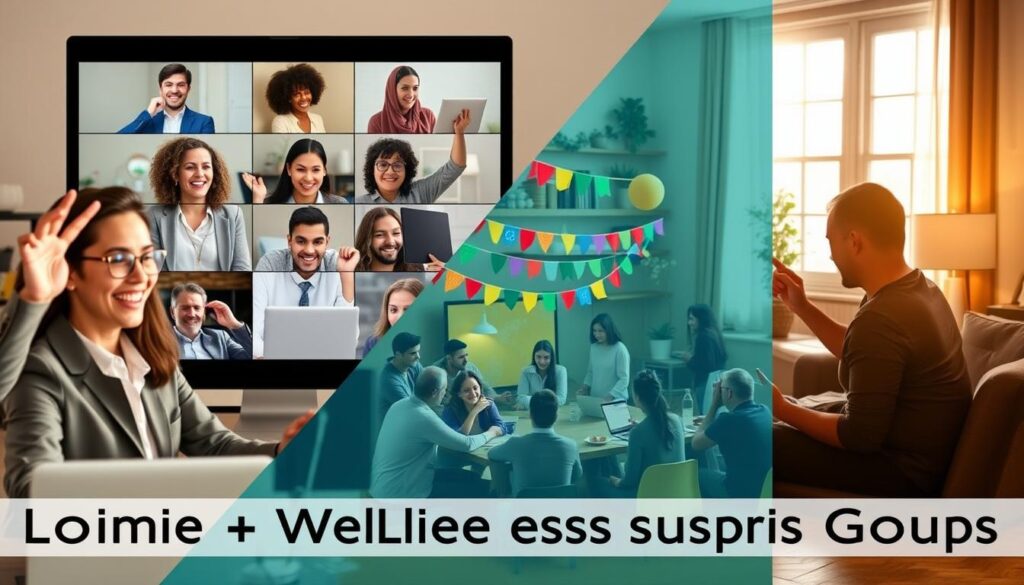
Online groups offer emotional support right to your door, no need to get dressed. They’re perfect for those in remote areas or where support is lacking. They provide a lifeline.
Anonymity online can be a strength, letting people explore their identity safely. You can connect at any time, even in the middle of the night. This flexibility is a big plus.
But, the digital world isn’t perfect. It can’t replace the real connection and understanding found in person. Tech issues and the feeling of being alone can hurt the connection you’re trying to make.
Local groups offer something different. They provide a sense of community and support that’s hard to find online. Here, you can see smiles, share hugs, and plan actions together. It’s where LGBTQ+ wellness comes to life.
In local groups, you can really connect with others. You can lean on each other and work together for change. It’s not just about healing yourself, but also about making your community better.
But, there are downsides. Not everyone has a local queer community center. Safety can be a concern, and showing up in person takes effort. It’s not always easy.
So, what’s the best approach for LGBTQ+ wellness? The answer is not simple. A mix of online and local support is likely the best. Use online groups for regular support and then connect in person. This way, you get the best of both worlds.
Connecting to Additional Resources
A wise community has more than just internal strength. It also has a list of external resources. Your affirming group is great, but sometimes you need a professional’s help.
Think of this as building a mental health toolkit. You need different tools for different situations. Knowing which tool to use is key in caring for each other.
Let’s sort out the ecosystem. Not all hotlines are the same. Using the wrong one can be like using a butter knife to chop down a tree.
The Crisis vs. Warmline Distinction
This is your most important filter. A crisis line is for urgent, dangerous situations. It’s like 911 for mental health.
A warmline is for when you’re struggling but not in crisis. It’s for feeling lonely, anxious, or needing to talk. Using the wrong one wastes resources and might not help.
Identity-Specific vs. General Support
Sometimes, you need someone who understands you. Identity-specific lines offer cultural understanding you can’t find elsewhere.
General lines, like the national 988, are great for broad support. But for deep conversations about gender identity, a specialist is often better.
| Resource Type | Best For | Example | Key Note |
|---|---|---|---|
| Crisis Hotline | Immediate suicidal thoughts, acute danger | The Trevor Project: 1-866-488-7386 | 24/7, trained LGBTQ+ crisis counselors |
| Identity-Specific Support | Nuanced talk about transition, discrimination | Trans Lifeline: 877-565-8860 | Peer support by trans people, for trans people |
| BIPOC-Centered Line | Intersection of race & LGBTQ+ identity | BlackLine: 1-800-604-5841 | Prioritizes BIPOC, LGBTQ+, and marginalized folks |
| General Talkline | Non-crisis support, referrals, information | LGBT National Hotline: 888-843-4564 | Confidential peer support & local resources |
| Text-Based Support | Those who find phone calls overwhelming | Crisis Text Line: text HOME to 741741 | Anonymous, discreet, and available 24/7 |
The Digital Safety & Confidentiality Fine Print
Always check a service’s privacy policy. Some hotlines may involve third parties or emergency services in high-risk situations.
Services like Trans Lifeline operate on a non-active rescue principle. They won’t call emergency services without consent—a key detail for communities wary of police.
This isn’t about fear. It’s about informed consent. You wouldn’t take medicine without reading the side effects. Don’t recommend a resource without knowing its protocols.
Building Your Referral Protocol
So, how does your group use this? Create a simple, living document. Categorize it like we did above. Make sure every facilitator knows it exists.
Role-play scenarios. “If someone mentions X, we suggest Y.” This turns panic into procedure. It makes scary moments into structured responses.
Remember, connecting someone to a professional resource isn’t a failure. It’s your community’s greatest success. It shows you’ve built trust and know your limits.
This external network completes your wellness toolkit. It ensures every journey with gender identity has support beyond your circle. Because no one should navigate this alone.
Advocacy & Awareness Events
The most healing moments often happen outside the circle of chairs. It’s on the picket line, where personal struggles become public statements. Advocacy is like peer support with a megaphone. It takes the vulnerable talks from safe spaces and brings them to the political arena for real change.
This isn’t about giving up the support group model. It’s about growing it. When you see patterns in your experiences, it’s time to face those systems head-on.
Pride is a big step. It’s not just about buying rainbow merchandise. It’s about marching with groups that share your values. This turns celebration into a powerful statement.
Locally, fighting for nondiscrimination ordinances can make a big difference. Turning your group’s talks about workplace discrimination into letters to city council members is powerful. This is peer support turned into political action.
Fundraising is key to turning words into action. The Trevor Project’s “donate your birthday” idea is a great example. Your group could host events, create donation drives, or partner with local businesses. Money can move mountains when words can’t.
So, what makes action effective? Ask if it truly helps people or just makes us feel good.
Effective actions might not look exciting on Instagram:
- Letter-writing campaigns with personal stories
- Voter registration drives at meetings
- Testifying at public hearings about local issues
- Strategic social media targeting decision-makers
Organizations like GLAAD show how to use media for change. They mix personal stories with data. That’s the key.
The Trevor Project talks about changing laws and hearts. They show how to work at different levels. Local ordinances, state laws, and federal decisions all play a part. Your group can work at all these levels too.
This work creates its own peer support. Fighting with people who get you builds strong bonds. It’s more than just surviving; it’s rewriting your story.
Advocacy tackles the forces that isolate people. It’s not just about building better rafts. It’s about calming the storm itself. Both are needed, but advocacy changes the weather for everyone.
Understanding LGBTQ+ Wellness and Mental Health
Exploring the realm of LGBTQ+ wellness and mental health is essential for fostering a supportive environment. The journey towards mental wellness is unique for each individual, influenced by their experiences and the societal context they navigate. This section delves into the importance of understanding these factors and how they impact mental health.
The Importance of Mental Wellness in the LGBTQ+ Community
Mental wellness is a cornerstone of overall health, and it is no different for the LGBTQ+ community. The challenges faced by LGBTQ+ individuals, such as discrimination and stigma, can significantly affect their mental health. It is vital to recognize the importance of mental wellness in this community and to provide resources that cater to their specific needs.
How Gender Identity and Mental Health Are Connected
The connection between gender identity and mental health is profound. For many LGBTQ+ individuals, their gender identity plays a significant role in their mental well-being. Understanding and accepting one’s gender identity can be a powerful step towards mental wellness. Peer support groups and mental health resources that acknowledge and respect gender identity are essential in promoting mental health within the LGBTQ+ community.
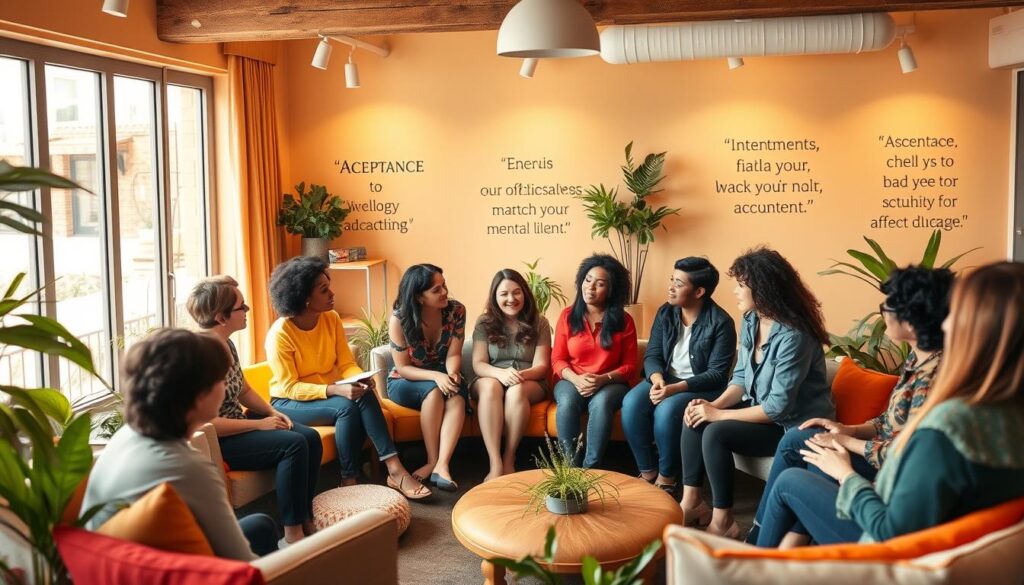
By fostering a supportive environment and providing tailored mental health resources, we can help ensure that LGBTQ+ individuals have the tools they need to thrive. This includes addressing the unique challenges they face and promoting a culture of acceptance and understanding.