The traditional community health fair image isn’t exciting. We see fluorescent-lit gymnasiums and rows of folding tables. It feels like a chore.
But what if we changed it? Imagine a vibrant, interactive block party focused on well-being. It’s not just a public service announcement. It’s a fun, engaging ecosystem.
These gatherings are powerful for outreach and prevention. They bring people together and offer vital screenings. The real magic is in the experience.
Think less clinical checklist, more fun. A Zumba demo might be next to a blood pressure check. Conversations about nutrition happen over fresh smoothies. This shift in mindset is everything.
So, grab your event planner lanyard. This is your guide for health fair planning that people will want to attend. We’re moving beyond the basics to create something memorable.
Ready to learn about creating a truly impactful event? Let’s explore the blueprint for success.
Choosing a Theme and Goals
A generic “health fair” poster is as exciting as a brochure for a new tax form. It’s background noise. Your first step in health fair planning is to define your “why.” Is this a broad wellness event or a targeted intervention?
That vague “get healthy” vibe is your enemy. It’s like a movie tagged simply “drama.” You need a genre. A hook. Your theme is that hook.
Think of it as your event’s DNA. A “Winter Wellness Workshop” isn’t just a fair in December. It’s a strategic response to seasonal affective disorder and holiday stress. Its goals are clear: introduce light therapy, demo healthy comfort foods, and provide tools for mental resilience. The theme dictates the partners you seek and the story you tell.
I once witnessed a masterclass in thematic execution: “Senioritaville.” A community center transformed with paper leis, tropical mocktails, and “passports” stamped at each vendor booth. It was kitschy, joyful, and attendance shattered records. The lesson? A strong theme is not just decoration. It’s the narrative glue that makes your event sticky in people’s minds.
To crystallize your approach, match a compelling theme to specific, measurable goals. This table breaks down how thematic intent translates into actionable health fair planning.
| Theme Name | Core Focus & Goals | Sample Activities | Primary Target Audience |
|---|---|---|---|
| Winter Wellness Workshop | Combat seasonal mood shifts, promote holistic resilience, reduce holiday stress. | Light therapy demos, healthy cookie swap stations, mindfulness meditation sessions. | Adults & working professionals feeling winter blues. |
| Spring Fling Health Fair | Renewal, mental health awareness, introducing outdoor activity. | Gardening for mindfulness booths, “walking meeting” demos, local produce tastings. | Families and individuals eager for a post-winter reset. |
| “Stress Less” Event | Destigmatize mental health, provide practical anxiety-management tools. | Breathing technique workshops, massage therapy tasters, digital detox challenges. | High-stress professionals, college students, caregivers. |
| Senioritaville | Social connection for seniors, accessible fitness, chronic disease management. | Seated Tai Chi, medication review clinics, social bingo with health trivia. | Older adults seeking community and proactive care. |
See the shift? A theme like “Senioritaville” immediately suggests a tone—fun, social, welcoming. It guides your decor, your music playlist, and even how volunteers interact. A “Stress Less” theme gives you a sharp marketing angle and attracts specific vendors like yoga studios or meditation apps.
So, before you book a balloon arch, ask the fundamental question. What story is your community telling about health this season? Your answer isn’t a tagline. It’s the strategic blueprint for everything that follows.
Recruiting Providers and Vendors
The heart of your health fair isn’t in the flyers or free pens. It’s in the selection of vendors you choose. This is where strategy meets practical skills. You’re not just setting up tables. You’re creating a top-notch wellness event.
Every great event needs stars. In our story, these are local hospitals and clinics with screenings. They are your credibility anchors. But what’s a show without great supporting acts? A yoga studio, an acupuncturist, and an organic grocer add buzz and variety. They show different sides of health.
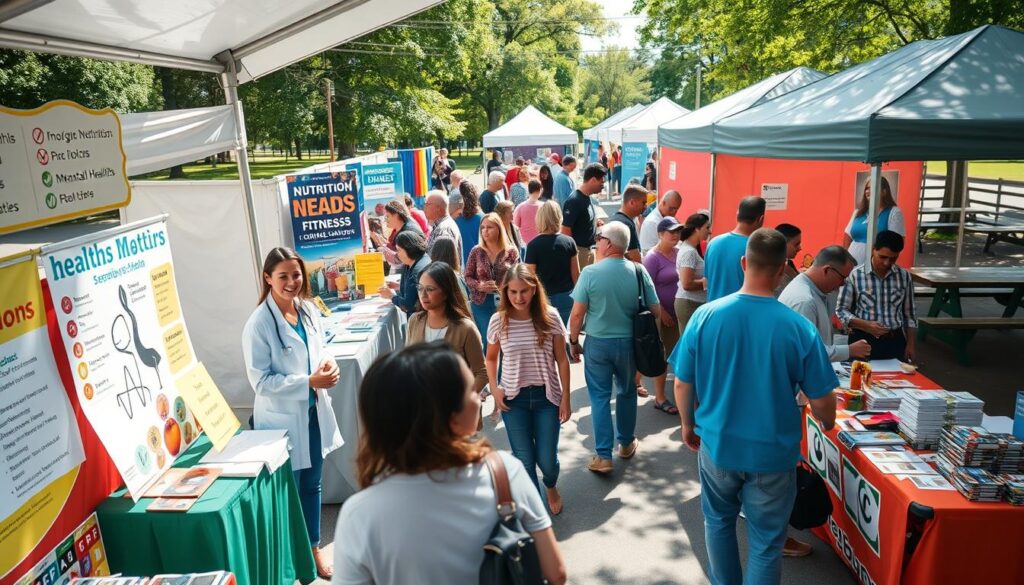
After booking talent, you plan the stage. This is the detailed part. Where you place booths is key. You can’t put a quiet booth next to a loud one. Experts design these layouts like city planners, thinking about traffic and views.
Think like a festival organizer. Create different areas for different things. A “consultation alley” needs a calm vibe, while an “interactive zone” is for fun demos. Your goal is to make a logical, fun path for visitors. Who goes where? How do you create exciting moments?
To make this plan clear, let’s look at the main types of vendors.
| Vendor Archetype | Primary Value | Ideal Placement Zone | Pro Tip |
|---|---|---|---|
| Healthcare Anchor (Hospital, Clinic) | Credibility & Essential Screenings | Central, High-Traffic Area | Schedule their screenings in blocks to manage lines. |
| Wellness Attraction (Yoga Studio, Gym) | Energy & Alternative Engagement | Interactive/Demo Zone | Pair with a local sports retailer for cross-promotion. |
| Community Business (Health Food Store, Pharmacy) | Access & Tangible Takeaways | Near Entry/Exit Pathways | Focus on samples and coupons for post-event action. |
Manage the setup logistics well. Nothing looks worse than vendors stuck in chaos at 8 AM. Plan arrival times, provide maps, and have a team ready to help. A smooth setup for your vendors means a smooth day for everyone.
This careful planning—strategy, psychology, and traffic control—is what makes a health fair great. Get this right, and the rest of the event will flow smoothly.
Free Screenings Checklist (BP, glucose, BMI, vision)
If the health fair were a blockbuster movie, the free screenings would be the special effects. They’re the moments everyone talks about afterward. It’s where vague wellness plans meet hard numbers.
It’s the “how am I really doing?” moment. Your lineup needs to deliver.
Think of it as a preventive care pop-up. The classic quartet is non-negotiable for a reason. They’re the vital signs of public health outreach.
- Blood Pressure: The two-number snapshot that tells a story about stress, diet, and cardiovascular fate.
- Glucose/Blood Sugar: A quick finger prick that can be the first clue toward managing energy and metabolic health.
- BMI (Body Mass Index): The controversial classic. It’s a starting point, but about as nuanced as a sledgehammer without context.
- Vision: More than just reading letters on a chart; it’s a window into daily strain and long-term eye health.
To move beyond a simple checklist, structure is key. Here’s how the core health screenings stack up in a practical sense:
| Screening Type | Blood Pressure | Glucose / BG | BMI | Vision | Mental Health* |
|---|---|---|---|---|---|
| Key Metric | 120/80 mmHg (Ideal) | 18.5-24.9 (Normal) | 20/20 Acuity | PHQ-9 / GAD-7 Score | |
| On-Site Context | Quick, seated check | Rapid finger-stick test | Height/weight ratio | Snellen chart test | Confidential questionnaire |
| Follow-Up Pathway | Referral to primary care | Recommend A1C test | Body comp talk / fitness consult | Discussion on blue light & screen time | Resources for counseling & support |
*The critical, often-overlooked addition.
Now, let’s get clever. A BMI number alone can induce unnecessary panic or complacency. Pair that station with a fitness consultant for a body composition chat. A vision check is good, but a conversation about blue light exposure and digital eye strain is better. This turns data into dialogue.
Here’s the real pro move, straight from modern workplace wellness: offer confidential mental health screenings. Following the lead of top-tier employee programs, providing anonymous, on-the-spot assessments for stress, anxiety, or depression can be your event’s most valuable service. It destigmatizes help-seeking on the spot. According to the Centers for Disease Control and Prevention (CDC), regular preventive screenings are one of the most effective ways to detect chronic conditions early and reduce long-term health risks.
Execution is everything. These free screenings must be staffed by qualified personnel—think nurses, certified techs, or counseling interns under supervision. Create semi-private nooks, even with simple room dividers. No one wants to discuss a high blood pressure reading in the middle of a crowd; that’s just anxiety fuel.
The ultimate goal isn’t to diagnose from a folding table. It’s to provide that “hmm, maybe I should follow up on that” moment. You’re giving people a snapshot of their personal health dashboard. Have clear, printed pathways for follow-up care ready to hand over with the results. That turns a moment of concern into a plan for action.
Kid Zones, Fitness Demos, and Healthy Food Options
Turning your health fair into a fun event for families is key. It’s all about outreach and making healthy living fun. Instead of just telling people to be healthy, show them how.
Kids are the life of the party. A Kid Zone is more than just a place to drop off kids. It’s where they can have fun and parents can relax. With activities like crafts and games, parents can talk to vendors without worry.
Studies show that these areas are designed for fun and safety. They attract families, making your event more diverse. Even teens might enjoy a craft session, expanding your reach.
Move the action to the main stage for fitness demos. These sessions turn “you should exercise” into “I can do that.” Activities like Zumba and tai chi make health fun and engaging.
These demos are hands-on learning. They make health education real and fun. This approach is more effective than any brochure.
Food is also a big part of the event. Serving only healthy snacks misses the mark. Today’s food culture is all about variety. Offer local vendors food samples and have cooking demos.
One company shows how it’s done. They have a wide range of healthy food and fun snacks. This approach shows that healthy eating can be delicious and balanced.
This mix of activities creates a memorable experience. It keeps people engaged for hours. It turns visitors into active supporters of your cause.
| Traditional Fair Element | Modern Engagement Upgrade | Strategic Outreach Impact |
|---|---|---|
| Empty corner for strollers | Curated Kid Zone with interactive crafts & safe play | Engages whole family, allows parent participation |
| Static poster about exercise | Live Fitness Demos (yoga, Zumba, strength workshops) | Makes wellness tangible and fun, reduces intimidation |
| Basic refreshment table | Health-Conscious Food Service & Fun Food Booths | Models balanced nutrition, attracts food-curious attendees |
| Silent, clinical atmosphere | Lively vibe with DJs, performers, trivia | Frames health as celebration, boosts dwell time and enjoyment |
Choosing the right partners is essential. Your vendors, instructors, and food providers must share your vision. Their quality reflects on your event, making it credible.
This section makes your fair truly special. It builds real connections and positive feelings about health. It’s more than just information—it’s an experience.
Promotion Timeline and Media Kit
A silent health fair is a paradox. Without promotion, it’s like a tree falling in an empty forest. Brilliant planning needs brilliant outreach. It’s not just a quick social media post. It’s a long-term campaign that starts months early.
Your first tool is the media kit. It’s like a professional press packet for your event. Keep it simple yet powerful. Include a catchy press release, high-quality graphics, and a quote from a local health leader.
Then, tailor your message for different audiences. For local news, highlight free screenings for the uninsured. For senior centers, talk about free vision checks. For families on Instagram, focus on fun and fitness.
Digital marketing is key, but don’t forget about print. Partner with groups like SilverSneakers to reach more people. Use flyers in community centers and libraries to reach everyone.
Your timeline must be strict. Here’s how to plan:
- 3 Months Out: Start with soft whispers through partner newsletters and calendars.
- 4-6 Weeks Out: Launch the full media kit. Activate social media and distribute flyers.
- The Week Before: Create a frenzy with reminders and social media countdowns.
This is more than marketing; it’s about mobilizing the community. For a detailed guide on outreach, check out the definitive playbook. Your promotion timeline is the story that fills the forest with people.
Volunteer Roles and Safety Plan
Planning a community event can be stressful, but a good plan helps. Your vendors are the stars, but volunteers are the crew. Without them, the event can fail like a tent in the wind.
Don’t just call them “helpers.” Give them specific jobs. This makes them feel important and helps everything run smoothly. You’ll need teams for logistics, outreach, vendor coordination, and managing volunteers.
Think of these as your frontline ambassador roles:
- Greeters: The first smile and guide. They set the tone.
- Vendor Liaisons: Problem-solvers who ensure booth setups have what they need.
- Flow Managers: Traffic cops for foot traffic, preventing bottlenecks.
- Kid Zone Attendants: Guardians of fun and safety for the youngest attendees.
- Survey Conductors: The data gatherers critical for measuring your event’s impact.
Give each role a defined zone, a simple script, and a bright, recognizable t-shirt. This uniform is more than looks; it guides lost attendees and shows authority. This level of detail is key to successful health fair planning.
| Volunteer Role | Primary Duty | Zone / Key Equipment |
|---|---|---|
| Greeter & Info Guide | Welcome attendees, distribute maps, answer basic questions. | Main entrance, info table, event maps. |
| Vendor Liaison | Assist vendors with setup, troubleshoot issues, manage check-in. | Vendor row, access to event organizer. |
| Flow Manager / Crowd Control | Monitor high-traffic areas, direct attendees to less crowded screenings. | Between popular booths, near food areas. |
| First Aid & Safety Monitor | Provide initial aid, escort individuals to professional EMT station. | Mobile, with radio and basic first-aid kit. |
| Clean-Up Crew Lead | Oversee trash/recycling stations, initiate post-event breakdown. | Trash stations, storage areas. |
Now, let’s talk about the safety and operations plan. This is where you become a certified event producer. Have you secured the proper permits from the city or park district? It’s a boring step, but it’s the difference between an event and a violation.
What about power access? Map every outlet and plan for extension cords. A vendor without power is just a person with a table. Coordinate a staffed first aid station—even a dedicated EMT or nurse—and a security plan. This could be hired personnel or simply staff with radios designated to monitor the crowd.
Don’t forget about trash. A clean-up crew is non-negotiable. You want the community to remember the fun, not the mess left behind. This operational machine is what allows the laughter and learning to happen without a background hum of “what if.”
A robust safety plan isn’t about expecting disaster; it’s about projecting competence. It tells your community, “We’ve thought this through, so you can relax.” This foundational work is what turns a one-day gathering into a sustainable part of local community wellness programs. When people feel safe and cared for, the real connection—and the real health impact—can begin.
Post-Event Surveys and Impact Reporting
The last tent is folded. The final balloon has popped. Your community health fair is now a memory. This is where the real magic happens—turning that memory into a blueprint.
Think of it as the autopsy, but for a party that actually improved lives. Your first move is the survey. Craft short, smart questions for attendees, vendors, and volunteers. Which of the free screenings was the biggest draw? The glucose check or the BMI calculation? Would they return? This feedback is your unfiltered reality check.
Next, build your impact report. The numbers don’t lie. Total attendance is a vanity metric. The real story is in the screenings data. How many high blood pressure readings were outside the normal range? How many vision tests prompted a referral to a local optometrist? That mental health screening participation number is pure gold for grant applications.
This report is your ticket to the big leagues. Presenting concrete data—like follow-up appointments generated at the community clinic—transforms your event for sponsors like Kaiser Permanente or Walgreens. It shifts the perception from a “nice day out” to a legitimate public health intervention.
So, compile the stats, listen to the voices, and let the data guide your next act. Your well-deserved rest is backed by evidence. You didn’t just host an event; you built a case study.