Artificial intelligence is rapidly transforming how people access mental health support. While traditional therapy remains essential for treating serious mental health conditions, AI-powered chatbots are becoming valuable tools for everyday emotional care. These digital assistants can provide guided conversations, mood tracking, and stress-management techniques at any time of the day.
In recent years, AI mental health platforms such as Wysa, Youper and Flourish have gained widespread attention. These applications combine psychology-based frameworks with machine learning algorithms to deliver accessible mental wellness tools directly through smartphones.
The growing demand for digital mental health solutions is partly driven by a global shortage of therapists and the rising prevalence of anxiety and depression. AI chatbots help bridge this gap by providing instant emotional support, structured coping strategies, and personalized mental wellness guidance.
This article reviews some of the leading AI mental health chatbots available today, examining their features, pricing, accessibility, and overall effectiveness for daily emotional support.
The Rise of AI Mental Health Assistants
Mental health challenges affect millions of people worldwide, yet many individuals struggle to access professional care due to cost, stigma, or long wait times. Traditional therapy sessions can cost between $100 and $200 per session, making regular treatment inaccessible for many people.
AI chatbots offer an alternative form of support by providing immediate, judgment-free interaction. These digital assistants use natural language processing to analyze messages and generate responses that resemble supportive conversations.
Most AI mental health tools incorporate established psychological methods such as cognitive behavioral therapy (CBT), mindfulness exercises, mood tracking and journaling, and guided emotional reflection.
These techniques help users identify negative thought patterns and build healthier coping strategies. While AI chatbots are not designed to replace therapists, they can serve as useful companions for daily emotional check-ins and stress management.
Key Benefits of AI-Driven Mental Health Chatbots
AI mental health apps continue to gain popularity because they provide several advantages compared with traditional therapy models.
First, these tools offer 24/7 accessibility. Users can start a conversation with an AI chatbot whenever they feel overwhelmed, anxious, or emotionally drained. This immediate availability makes them particularly useful during moments when professional help may not be accessible.
Second, AI mental health apps are typically more affordable than therapy sessions. Many platforms offer free versions or low-cost subscriptions, making mental health support more accessible for a broader audience.
Third, digital chatbots provide a sense of privacy and anonymity. Some individuals feel more comfortable sharing their thoughts with a chatbot than discussing them directly with another person, especially when addressing sensitive emotional topics.
Top AI Mental Health Chatbots Reviewed
1. Wysa : The Clinically Validated Standard
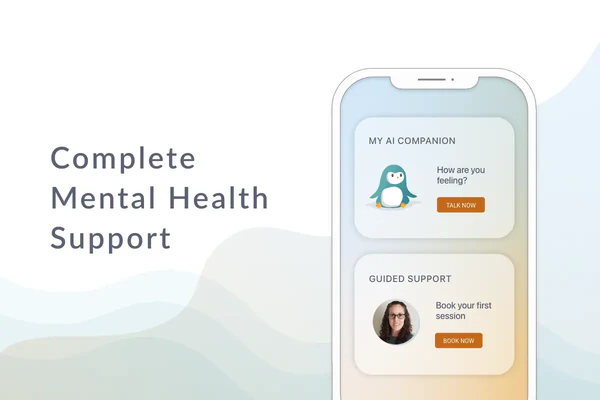
Wysa is another widely recognized AI mental health chatbot that focuses on stress management and emotional resilience. The app is known for its friendly penguin avatar, which acts as a conversational guide during therapy-style interactions.
The chatbot helps users explore their feelings while recommending practical exercises such as breathing techniques, mindfulness meditation, and journaling prompts. These exercises are based on therapeutic approaches like CBT and DBT.
Wysa also offers an optional hybrid model where users can connect with human mental health coaches if additional support is needed. The platform is designed to provide a confidential space where individuals can express their emotions without fear of judgment. Conversations remain private and encrypted, which helps build trust among users.
Key features:
AI-guided emotional conversations, meditation and relaxation exercises, mood tracking tools, optional human coaching.
Price:
Free basic chatbot version; premium subscription around $19.99 per month depending on the plan.
Where to download:
https://www.wysa.com, Apple App Store, Google Play Store
Pros:
Extensive self-care exercise library, optional access to human coaches, strong privacy focus.
Cons:
Some advanced tools locked behind subscriptions, responses can occasionally feel scripted.
Final score: 9 / 10
2. Youper : The Pattern Tracker
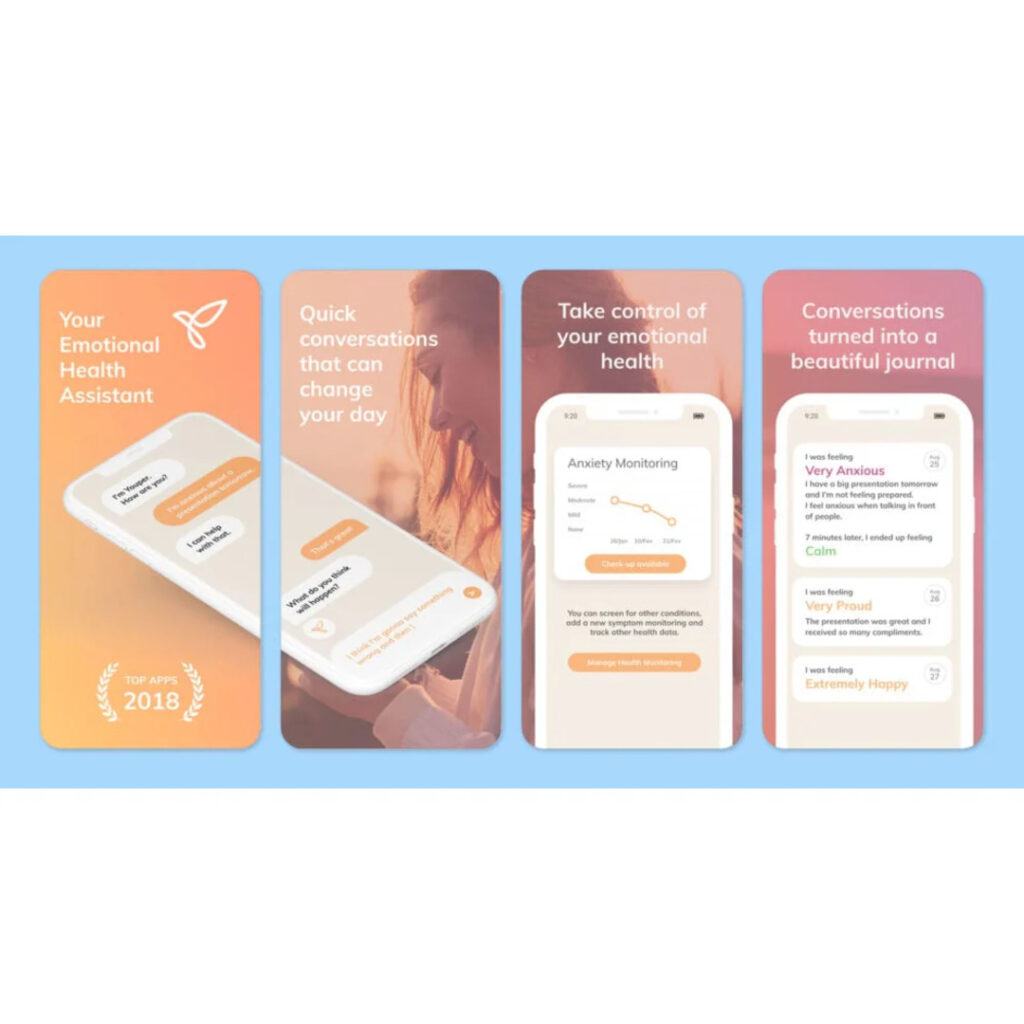
Youper approaches mental health support through a combination of AI conversation and detailed emotional tracking. The platform encourages users to log their mood regularly and analyze patterns in their emotional well-being.
Using AI-powered conversations, the app guides users through short reflection exercises designed to uncover the connection between thoughts, behaviors, and emotional responses. Over time, Youper generates personalized insights based on the user’s emotional patterns. These insights help individuals identify triggers that contribute to stress or anxiety.
The platform has gained popularity among users seeking a more analytical approach to emotional health management.
Key features:
AI-guided emotional reflection, mood tracking and emotional analytics, CBT-based conversation tools, personalized mental wellness insights.
Price:
Free basic version; Youper Plus subscription about $69.99 per year.
Where to download:
https://www.youper.ai, Apple App Store, Google Play Store
Pros:
Strong mood-tracking analytics, personalized emotional insights, easy-to-use interface.
Cons:
Limited conversational depth compared with human therapy, some advanced features require subscription.
Final score: 8.7 / 10
3. Flourish (and Sunnie AI): The Wellness All-in-One
Flourish, powered by its AI companion “Sunnie,” takes a broader approach to mental health,
rooted in positive psychology and behavioral science.
The Experience: Instead of just intervening when you are having a panic attack, Flourish
is proactive. It helps you build healthy daily habits, offers peer support communities, and
uses Sunnie to check in on your overall life satisfaction and personal growth.
Best For: Individuals looking for a preventative, daily wellness coach rather than acute
crisis management.
The Bottom Line
If you are experiencing a severe mental health crisis, close the app and dial your local emergency
or suicide prevention lifeline. However, if you are looking for an affordable, 24/7 companion to
help you practice daily mindfulness, reframe stressful work situations, or track your emotional
habits, these AI chatbots are an incredible tool to keep in your pocket.